My Review (5 stars out of 5)
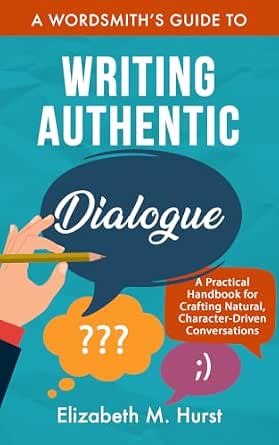
Elizabeth M Hurst has written much about the craft of writing, as well as study guides, critical essays and novels, so it’s fair to say she knows what she’s talking about. This book is about dialogue – what it should do, what it shouldn’t do, and how to use it effectively so it won’t sound clunky, boring, flat or repetitive. The author tackles her subject in an intelligent and knowledgeable way, covering topics such as dialogue tags, subtext, tension, action beats, info dumps and a whole lot more. All the stuff, in fact, that most writers of any worth should already know about. In my case I think I’m pretty good at creating realistic dialogue, but I still found a host of useful tips in this book that I’d either forgotten or didn’t know about in the first place, such as making sure a character who says clever things is actually clever, or how to use humour as a deflection tool. Easy to read and set out in a logical, accessible way, this is a book for experienced authors as well as newbies and it’s one I’ll come back to time and again.
A practical guide to writing believable dialogue.
Author Bio
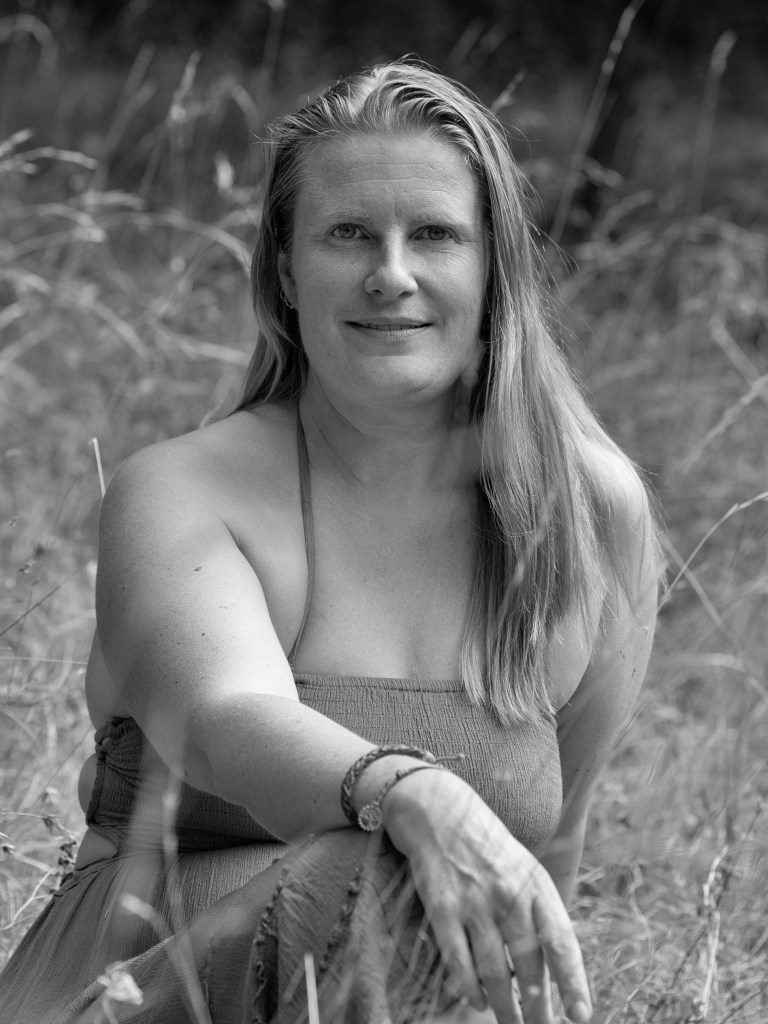
Elizabeth was born and bred in the picturesque harbour town of Whitehaven in the northwest of England, where the long, wet winters moulded her into a voracious reader of fiction to escape the dismal weather.
In 2016, Elizabeth set up her freelance editing and proofreading business, EMH Editorial Services. In 2018, she quit the corporate world and concentrated her energy full-time towards her love of the written word.
Elizabeth has published timeslip novellas (the Lost Souls series) and a stand-alone novel, A Light Shines in Darkness, based on Blessed Angelina of Marsciano. She is also the author of The Wordsmith’s Guides, a series of nonfiction books on the craft of writing.
Elizabeth now lives with her husband in the warm and sunny south of France, where the wine is cheaper than the water, and the cats spend their days hunting lizards and dreaming of the birds that roost on the roof.
Social Media Links
NB This post first appeared as part of a blog tour, via Rachel at Rachel’s Random Resources


This book sounds like a useful tool for writers.
LikeLike
It certainly is, Robbie. Well worth a look.
LikeLiked by 1 person
Thanks so much for your kind words, Colin. Glad you found the book useful! Best wishes, Liz
LikeLike
My pleasure, Liz.
LikeLike